

Iced thumbprint cookies are buttery shortbread treats with a sweet vanilla icing center that make every occasion feel special. These tender cookies combine simple ingredients with a beautiful presentation, making them perfect for holidays, cookie swaps, or weekend baking with family. The signature thumbprint indentation becomes a tiny pool of colorful icing that adds both visual appeal and extra sweetness to each bite.

Table of Contents
Why You’ll Love This Iced Thumbprint Cookies Recipe
These cookies deliver big flavor with minimal effort. The buttery shortbread base melts in your mouth, while the sweet vanilla icing adds a delightful contrast in texture and taste. You only need basic pantry ingredients, and the dough comes together in minutes. The chilling step makes the dough easy to handle, and shaping each cookie into perfect rounds is simple enough for bakers of all skill levels.
The icing transforms these from simple butter cookies into something truly eye-catching. You can customize the colors for any holiday or celebration, from red and green for Christmas to pastels for spring gatherings. Kids love helping press the thumbprints and choosing icing colors, making this a wonderful family baking project. Best of all, these cookies stay fresh for days and can be made ahead, which takes the stress out of party planning.
The recipe yields three dozen cookies, so you’ll have plenty to share, gift, or keep for yourself. They look bakery-quality but cost a fraction of store-bought decorated cookies. Whether you’re an experienced baker or just starting out, these thumbprint cookies will become a go-to recipe in your collection.

Iced Thumbprint Cookies
- Total Time: 1 hour 45 minutes
- Yield: 36 cookies
- Diet: Vegetarian
Description
Buttery shortbread cookies filled with sweet vanilla icing that add a festive touch to any occasion. Perfect for holidays, parties, or baking with family.
Ingredients
- 1 cup unsalted butter, softened
- 1/3 cup granulated sugar
- 1 teaspoon vanilla extract
- 2 cups all-purpose flour
- Pinch of salt
- 1 cup powdered sugar
- 1½ tablespoons milk
- ½ teaspoon vanilla extract
- Red or green food coloring (optional)
Instructions
- Cream the butter, sugar, and vanilla together until light and fluffy.
- Add flour and salt, mixing until a smooth dough forms.
- Chill dough for at least 1 hour.
- Preheat oven to 350°F and line baking sheets with parchment paper.
- Roll dough into 1½-inch balls and place 1 inch apart on sheets.
- Press a thumbprint or back of a spoon into each ball.
- Bake for 10 minutes, then re-press indentations.
- Return to oven for 6–8 minutes until edges are lightly golden.
- Cool completely before icing.
- Whisk powdered sugar, milk, and vanilla to make icing.
- Divide and color icing if desired, then pipe into thumbprints.
- Let icing set completely before storing or serving.
Notes
Use gel food coloring for vibrant icing. Chill dough thoroughly to prevent spreading. Store in an airtight container for up to one week.
- Prep Time: 20 minutes
- Cook Time: 18 minutes
- Category: Dessert
- Method: Baking
- Cuisine: American
Ingredients for Iced Thumbprint Cookies
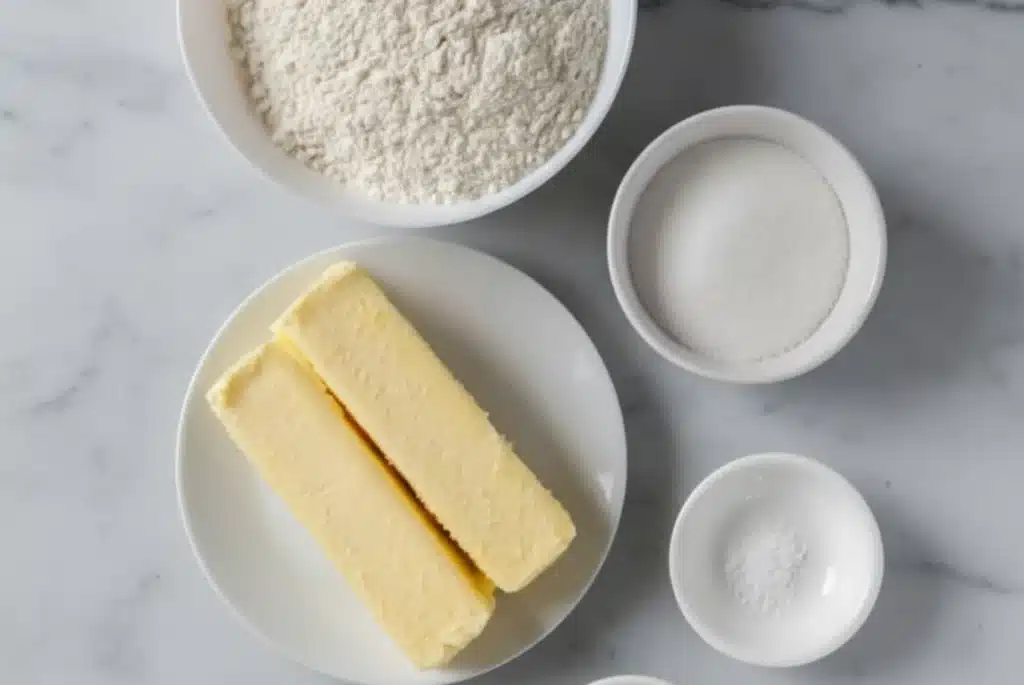
For the Cookie Dough
- 1 cup unsalted butter, softened
- 1/3 cup granulated sugar
- 1 teaspoon vanilla extract
- 2 cups all-purpose flour
- Pinch of salt
For the Vanilla Icing
- 1 cup powdered sugar
- 1½ tablespoons milk
- ½ teaspoon vanilla extract
- Red or green food coloring (optional)
Ingredient Notes
Butter: Use unsalted butter at room temperature for the best texture. European-style butter with higher fat content creates an even richer, more tender cookie. If you only have salted butter, skip the pinch of salt in the dough.
Sugar: Granulated white sugar gives the cookies a light, delicate sweetness. You can substitute superfine sugar for an even smoother texture, but avoid brown sugar as it will change the flavor profile and color.
Flour: All-purpose flour works perfectly for this recipe. For a gluten-free version, use a 1:1 gluten-free baking flour blend. Avoid cake flour, as it will make the cookies too delicate.
Milk for icing: Whole milk creates the creamiest icing, but any dairy or non-dairy milk works well. Almond milk, oat milk, or soy milk are excellent dairy-free options. Start with less milk and add more as needed to reach the right consistency.
Food coloring: Gel food coloring gives the most vibrant colors without thinning the icing. Liquid food coloring works too but may require slightly less milk in the icing base. Natural food colorings from beet juice or spirulina are great alternatives if you prefer to avoid artificial dyes.
Step-by-Step Instructions
Step 1 – Cream the Butter and Sugar
In a medium mixing bowl, combine the softened butter, granulated sugar, and vanilla extract. Use an electric mixer on medium speed to beat the mixture for 2 to 3 minutes until it becomes light, fluffy, and pale in color. Scrape down the sides of the bowl with a spatula to ensure everything incorporates evenly. This creaming process is essential because it creates air pockets that give the cookies their tender, melt-in-your-mouth texture.
Step 2 – Add the Dry Ingredients
Add the flour and a pinch of salt to the butter mixture. Mix on low speed until the flour just disappears into the dough. Avoid overmixing, as this can develop too much gluten and make the cookies tough rather than tender. The dough should look smooth and slightly soft but hold together when pressed.
Step 3 – Chill the Dough
Cover the bowl tightly with plastic wrap and refrigerate for at least 1 hour. This chilling step is not optional because it firms up the butter, making the dough much easier to roll into balls. Cold dough also spreads less during baking, which helps the cookies maintain their round shape and defined thumbprint.
Step 4 – Prepare for Baking
When you’re ready to bake, preheat your oven to 350 degrees Fahrenheit. Line two baking sheets with parchment paper or silicone baking mats. The parchment prevents sticking and makes cleanup effortless. If you only have one baking sheet, you can bake in batches.
Step 5 – Shape the Cookies
Remove the chilled dough from the refrigerator. Scoop out portions and roll them between your palms to form 1½-inch balls, roughly the size of a walnut. Place the balls on the prepared baking sheets, spacing them about 1 inch apart. They spread only slightly, so they don’t need much room.
Step 6 – Create the Thumbprint

Use your thumb or the back of a round half-teaspoon measuring spoon to press firmly into the center of each dough ball, creating a deep indentation. Press down until the well is about halfway through the cookie. This depression will hold the icing after baking.
Step 7 – First Bake
Bake the cookies for 10 minutes. They should look slightly firm but not browned. Remove the baking sheets from the oven but leave the oven on. The indentations will have puffed up slightly during baking.
Step 8 – Re-Press and Finish Baking
While the cookies are still hot, use the back of the measuring spoon to gently press into each indentation again, restoring the well. Return the baking sheets to the oven and bake for an additional 6 to 8 minutes, until the cookies are lightly golden around the edges and on the bottom. The tops should remain pale.
Step 9 – Cool Completely
Let the cookies rest on the baking sheets for 1 minute, then carefully transfer them to a wire cooling rack. Allow them to cool completely before adding the icing. If you add icing to warm cookies, it will melt and run off the sides instead of setting nicely in the center.
Step 10 – Make the Icing
In a small bowl, whisk together the powdered sugar, milk, and vanilla extract until the mixture is completely smooth with no lumps. The icing should be thick enough to hold its shape in the thumbprint but thin enough to pour easily. If it’s too thick, add milk one teaspoon at a time. If it’s too thin, add more powdered sugar.
Step 11 – Color and Fill

Divide the icing into two or more small bowls. Add a few drops of food coloring to each bowl and whisk until the color is evenly distributed. Transfer each colored icing to a small plastic zipper bag or piping bag. Snip off a tiny corner of the bag and carefully pipe the icing into the center of each cookie, filling the well. Work slowly to avoid overfilling.
Step 12 – Let the Icing Set
Allow the cookies to sit at room temperature overnight so the icing can dry and set completely. Once set, the icing will have a smooth, glossy finish and won’t smudge when touched. If you’re in a hurry, you can refrigerate them for about 2 hours to speed up the setting process.
Pro Tips for Success
Measure flour correctly. Spoon flour into your measuring cup and level it off with a knife rather than scooping directly from the bag. Scooping can pack in up to 25 percent more flour, resulting in dry, crumbly cookies.
Keep dough cold. If your kitchen is warm and the dough becomes too soft to handle, pop it back in the refrigerator for 15 to 20 minutes. Working with cold dough ensures the cookies keep their shape and don’t spread too much.
Press deep indentations. Don’t be shy when making the thumbprint. Press down firmly to create a well that’s deep enough to hold a generous amount of icing. Shallow indentations will puff up too much during baking.
Re-press while hot. The second press after the initial bake is crucial. The heat makes the cookies soft enough to reshape without cracking. Wait until they cool, and you’ll risk breaking them.
Test icing consistency. Before piping, drizzle a small amount of icing onto a plate. It should spread slightly but hold a rounded shape. If it runs everywhere, add more powdered sugar. If it sits in a stiff blob, add a tiny bit more milk.
Use gel food coloring for vibrant hues. Gel colors are more concentrated than liquid ones, so you’ll get richer colors without thinning your icing. Start with a tiny amount and add more until you reach your desired shade.
Flavor Variations
Chocolate thumbprints: Add 2 tablespoons of cocoa powder to the cookie dough for a rich chocolate base. Fill with white icing or use chocolate ganache instead of vanilla icing for an extra decadent treat.
Lemon icing: Replace the vanilla extract in the icing with lemon extract and add a teaspoon of fresh lemon zest. The bright citrus flavor pairs beautifully with the buttery cookies and is perfect for spring and summer.
Almond cookies: Swap half of the vanilla extract for almond extract in both the dough and the icing. Top each cookie with a toasted sliced almond before baking for added crunch and visual appeal.
Jam-filled version: Skip the icing entirely and fill each thumbprint with a small spoonful of your favorite jam or preserves. Raspberry, strawberry, and apricot all work wonderfully. Add the jam before baking, not after.
Peppermint holiday cookies: Add a quarter teaspoon of peppermint extract to the icing and tint it red or green. Crush a few candy canes and sprinkle the pieces on top of the wet icing before it sets for a festive crunch.
Serving Suggestions
These iced thumbprint cookies shine on holiday dessert platters alongside other festive treats like sugar cookies, gingerbread, and chocolate fudge. Arrange them on a tiered stand for an impressive presentation at parties or cookie exchanges.
Package them in clear cellophane bags tied with ribbon for charming homemade gifts. Stack them in decorative tins with parchment paper between layers to prevent sticking. Teachers, neighbors, and coworkers will appreciate the thoughtful gesture.
Serve them with afternoon tea or coffee for an elegant treat. The buttery shortbread pairs wonderfully with Earl Grey, chamomile, or a rich espresso. They’re also delightful alongside a glass of cold milk for kids.
Create a cookie decorating station by leaving some cookies unfilled and setting out bowls of different colored icings. Let guests or family members pipe their own designs. This interactive dessert doubles as entertainment at gatherings.
Add them to dessert boards alongside fresh fruit, chocolate truffles, and nuts. Their colorful icing adds visual interest and their small size makes them perfect for grazing.
Storage and Freezing Instructions
Store completely cooled and set cookies in an airtight container at room temperature for up to 1 week. Place parchment paper between layers to prevent the icing from sticking. Keep the container away from heat and direct sunlight to maintain the best texture.
For longer storage, freeze the cookies before adding the icing. Arrange the baked and cooled unfilled cookies in a single layer on a baking sheet and freeze until solid, about 1 hour. Transfer the frozen cookies to a freezer-safe container or zip-top bag with parchment between layers. They’ll keep frozen for up to 3 months. Thaw at room temperature for about 30 minutes, then add fresh icing.
You can also freeze the cookie dough before baking. Shape the chilled dough into balls and freeze them on a baking sheet. Once solid, transfer to a freezer bag. When ready to bake, press the thumbprints into the frozen dough balls and bake straight from the freezer, adding 2 to 3 minutes to the baking time.
Avoid refrigerating iced cookies, as condensation can make the icing sticky and the cookies soft. If you must refrigerate them due to warm weather, let them come to room temperature before serving for the best flavor and texture.
Nutrition Facts (Per Serving)
| Nutrient | Amount |
|---|---|
| Calories | 90 kcal |
| Protein | 1 g |
| Carbohydrates | 10 g |
| Fat | 5 g |
| Saturated Fat | 3 g |
| Fiber | 0 g |
| Sodium | 5 mg |
| Sugar | 5 g |
Nutrition information is approximate and based on one cookie. Values may vary depending on specific brands and portion sizes.
FAQ About Iced Thumbprint Cookies
Why did my cookies spread too much during baking?
Cookie spreading usually happens when the dough isn’t chilled long enough or when the butter is too warm. Make sure you refrigerate the dough for the full hour before shaping. If your kitchen is very warm, consider chilling the shaped dough balls on the baking sheet for 15 minutes before baking. Using room temperature baking sheets rather than warm ones also helps prevent spreading.
Can I make these cookies ahead of time?
Absolutely! These cookies are perfect make-ahead treats. You can bake the unfilled cookies up to 3 days in advance and store them in an airtight container. Add the icing the night before you plan to serve them so it has time to set. You can also freeze the baked cookies for up to 3 months and add fresh icing after thawing.
What if my icing is too runny or too thick?
Icing consistency is easy to fix. If it’s too runny and won’t stay in the thumbprint, whisk in more powdered sugar one tablespoon at a time until it thickens. If it’s too thick and won’t pour smoothly, add milk one teaspoon at a time and whisk thoroughly. The perfect consistency should be similar to thick glue that flows slowly but holds its shape.
Do I have to use food coloring in the icing?
Not at all! The cookies are delicious with plain white vanilla icing. The food coloring is purely for visual appeal and festive presentation. If you prefer natural options, you can use vegetable-based food colorings made from beets, turmeric, or spirulina. These give softer, more muted tones but are free from artificial dyes.
Can I use salted butter instead of unsalted?
Yes, you can substitute salted butter, but you should skip the pinch of salt called for in the recipe. Salted butter works fine, though unsalted gives you more control over the final flavor. The cookies will still turn out tender and delicious either way.
Why do I need to re-press the thumbprints halfway through baking?
The dough puffs up during the first 10 minutes of baking as the butter melts and creates steam. Re-pressing the indentations while the cookies are still hot and pliable restores the well shape so you have a proper space for the icing. Skipping this step will leave you with shallow indentations that can’t hold much icing.
Looking for more cozy inspiration? Follow us on Pinterest, or join the fun over on Facebook!
Final Thoughts
Iced thumbprint cookies bring together everything wonderful about holiday baking: simple ingredients, hands-on fun, and beautiful results. The buttery shortbread base provides the perfect canvas for colorful vanilla icing, creating treats that taste as good as they look. Whether you’re baking for a special occasion or just want to brighten an ordinary day, these cookies deliver smiles with every bite.
The recipe’s flexibility means you can customize the flavors and colors to match any celebration throughout the year. Make them in pastels for Easter, red and green for Christmas, or leave them classic white for everyday elegance. The straightforward method and reliable results make this a recipe you’ll return to again and again.
Gather your ingredients, preheat your oven, and get ready to create a batch of cookies that will have everyone asking for the recipe. These iced thumbprint cookies prove that the best desserts don’t have to be complicated. Sometimes all you need is butter, sugar, flour, and a little creativity to make something truly special.