
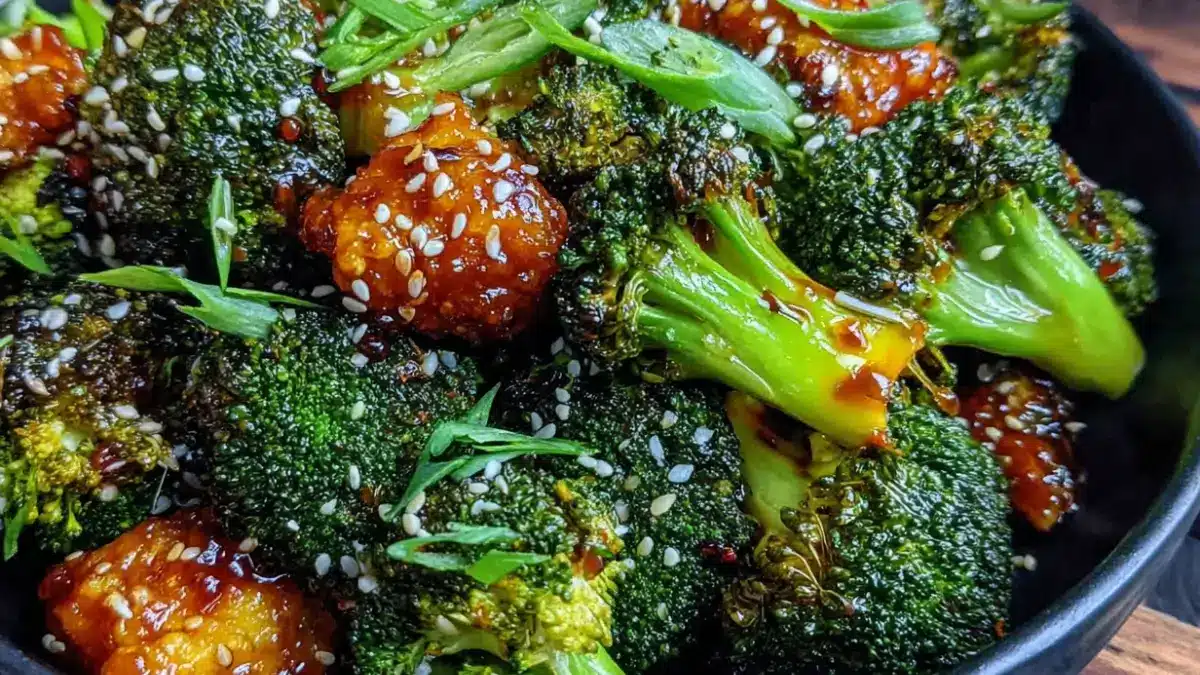
Easy Gochujang Broccoli is the kind of recipe that proves vegetables never have to be boring. In the very first bite, you get tender broccoli coated in a glossy, spicy sweet sauce that feels comforting, exciting, and deeply satisfying all at once. This Korean-inspired side dish comes together quickly, uses pantry-friendly ingredients, and delivers big flavor with minimal effort.
If you are looking for a fast weeknight side, a healthier way to add excitement to your meals, or a vegetable dish that everyone at the table actually wants to eat, this recipe checks every box.
Table of Contents
Why You’ll Love This Easy Gochujang Broccoli
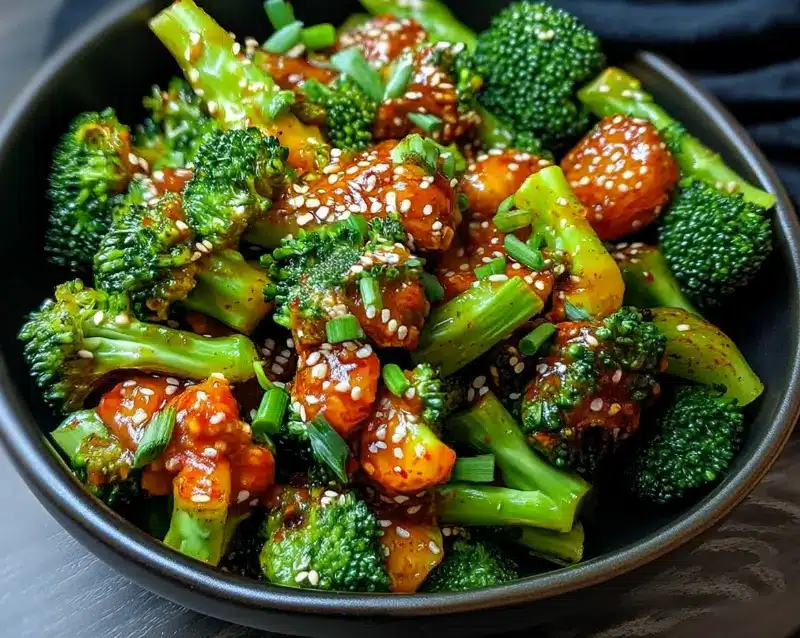
This dish earns a permanent place in your rotation for so many reasons.
First, it is incredibly easy. From start to finish, you can have it on the table in under 20 minutes, making it perfect for busy evenings.
Second, the flavor balance is outstanding. Gochujang brings gentle heat and savory depth, while a touch of sweetness and acidity keeps everything bright and crave-worthy. The broccoli absorbs the sauce beautifully without becoming soggy.
Third, it is flexible. You can serve it as a simple side, turn it into a bowl base, or add protein to make it a complete meal.
Finally, it is naturally wholesome. Broccoli is packed with fiber and vitamins, and this recipe uses simple ingredients without heavy sauces or frying.
Ingredients for Easy Gochujang Broccoli
This recipe relies on a short list of ingredients that work together to create a bold, balanced flavor.
Main Ingredients
- 1 1/2 pounds fresh broccoli florets
- 1 tablespoon neutral oil, such as avocado or vegetable oil
- 2 cloves garlic, minced
- 1 teaspoon fresh ginger, finely grated
Gochujang Sauce
- 2 tablespoons gochujang paste
- 1 tablespoon soy sauce or tamari
- 1 tablespoon rice vinegar
- 1 to 2 teaspoons honey or maple syrup, to taste
- 2 to 3 tablespoons water or vegetable broth
Finishing Touches
- 1 teaspoon toasted sesame oil
- 1 to 2 teaspoons sesame seeds
- Sliced green onions, optional
Ingredient Notes and Substitutions
Gochujang is a Korean chili paste made from fermented soybeans, red chili flakes, and rice. It is spicy but also slightly sweet and savory. Heat levels vary by brand, so taste and adjust sweetness or water as needed.
If you need a gluten-free option, use tamari and a gluten-free gochujang.
Honey can be replaced with maple syrup or brown sugar for a vegan version.
If fresh ginger is not available, you can use 1/4 teaspoon ground ginger, though fresh provides the best flavor.
Vegetable broth adds a little extra depth, but water works just as well.
Step-by-Step Instructions
Step 1: Prepare the Broccoli
Wash the broccoli thoroughly and cut it into bite-sized florets. Try to keep the pieces similar in size so they cook evenly.
Bring a large pot of water to a boil and lightly salt it. Add the broccoli florets and blanch for about 2 minutes, just until they turn bright green and become slightly tender.
Immediately drain and rinse the broccoli with cold water to stop the cooking. This helps preserve color and texture. Set aside.
Step 2: Make the Gochujang Sauce
In a small bowl, whisk together the gochujang paste, soy sauce, rice vinegar, honey or maple syrup, and water or broth. The sauce should be smooth and pourable but still thick enough to cling to the broccoli.
Taste and adjust. Add a little more sweetener if you prefer a sweeter sauce or more water if you want it thinner.
Step 3: Sauté the Aromatics
Heat the neutral oil in a large skillet or wok over medium heat. Once hot, add the minced garlic and grated ginger.
Cook for about 30 seconds, stirring constantly, until fragrant. Be careful not to let them brown, as burnt garlic can turn bitter.
Step 4: Cook the Broccoli
Add the blanched broccoli to the skillet. Toss well to coat it in the garlic and ginger oil.
Cook for 2 to 3 minutes, stirring frequently, until the broccoli is heated through and lightly seared in spots.
Step 5: Add the Sauce
Pour the gochujang sauce over the broccoli. Stir well so every floret is evenly coated.
Cook for another 2 to 3 minutes, allowing the sauce to bubble gently and thicken slightly. The broccoli should look glossy and richly coated.
Step 6: Finish and Serve
Turn off the heat and drizzle the toasted sesame oil over the broccoli. Sprinkle with sesame seeds and sliced green onions if using.
Serve immediately while warm, or allow it to cool slightly for a room-temperature side.
Pro Tips for Success
- Do not overcook the broccoli. Tender-crisp texture gives the best contrast to the sauce.
- Adjust the spice level by starting with less gochujang and adding more as needed.
- Use a wide pan so the broccoli sautés instead of steaming.
- Taste the sauce before adding it to the pan and balance sweet, salty, and tangy flavors to your liking.
- Add the sesame oil at the end to preserve its aroma and flavor.
Flavor Variations
This recipe is easy to customize based on what you have on hand or what you are craving.
Add citrus by finishing with a squeeze of fresh lime juice.
Make it extra spicy with a pinch of red pepper flakes or a drizzle of chili oil.
Turn it nutty by adding crushed peanuts or cashews instead of sesame seeds.
Mix in other vegetables like sliced bell peppers, snap peas, or carrots for a colorful medley.
Add protein such as pan-seared tofu, chicken breast, or shrimp to turn it into a complete meal.
Serving Suggestions
Easy Gochujang Broccoli pairs beautifully with a wide range of dishes.
Serve it alongside steamed rice or fried rice for a simple, satisfying meal.
Add it to grain bowls with quinoa, brown rice, or farro.
Use it as a flavorful side for grilled chicken, fish, or tofu.
Tuck it into lettuce wraps or wraps with rice and protein for a fresh lunch option.
It also works well as part of a larger spread with other Asian-inspired sides.
Storage and Freezing Instructions
Store leftovers in an airtight container in the refrigerator for up to 3 days.
To reheat, warm gently in a skillet over medium-low heat or in the microwave until heated through. Add a splash of water if the sauce has thickened too much.
Freezing is not recommended, as broccoli can become mushy once thawed. This dish is best enjoyed fresh or within a few days.
Print
Easy Gochujang Broccoli Side Dish (Bold Spicy Sweet Flavor)
- Total Time: 20 minutes
- Yield: 4 servings
- Diet: Vegetarian
Description
Easy Gochujang Broccoli is a fast Korean-inspired side dish featuring tender broccoli tossed in a bold, spicy sweet sauce. It comes together quickly with simple pantry ingredients and delivers big flavor in under 20 minutes.
Ingredients
- 1 1/2 pounds fresh broccoli florets
- 1 tablespoon neutral oil (avocado or vegetable oil)
- 2 cloves garlic, minced
- 1 teaspoon fresh ginger, finely grated
- 2 tablespoons gochujang paste
- 1 tablespoon soy sauce or tamari
- 1 tablespoon rice vinegar
- 1 to 2 teaspoons honey or maple syrup
- 2 to 3 tablespoons water or vegetable broth
- 1 teaspoon toasted sesame oil
- 1 to 2 teaspoons sesame seeds
- Sliced green onions (optional)
Instructions
- Cut the broccoli into bite-sized florets.
- Heat the neutral oil in a large skillet over medium heat.
- Add the broccoli and cook for 4–5 minutes until bright green and lightly tender.
- Add the garlic and ginger and cook for 30 seconds until fragrant.
- In a small bowl, whisk together gochujang, soy sauce, rice vinegar, honey, and water or broth.
- Pour the sauce over the broccoli and stir to coat evenly.
- Cook for 3–4 minutes, allowing the sauce to thicken and glaze the broccoli.
- Remove from heat and drizzle with toasted sesame oil.
- Garnish with sesame seeds and green onions before serving.
Notes
Adjust sweetness and spice based on your gochujang brand. For a vegan version, use maple syrup. Serve as a side dish or add tofu or chicken to make it a complete meal.
- Prep Time: 10 minutes
- Cook Time: 10 minutes
- Category: Side Dish
- Method: Stovetop
- Cuisine: Korean-Inspired
Nutrition Facts (Per Serving)
| Nutrient | Amount |
|---|---|
| Calories | 120 |
| Protein | 4 g |
| Carbohydrates | 14 g |
| Fat | 6 g |
| Fiber | 4 g |
| Sodium | 520 mg |
Values are estimates and will vary based on exact ingredients used.
FAQ About Easy Gochujang Broccoli
Is gochujang very spicy?
Gochujang has a mild to moderate heat, balanced by sweetness and umami. It is generally not overwhelmingly spicy, but brands vary. If you are sensitive to heat, start with a smaller amount and adjust gradually.
Can I make this dish vegan?
Yes, this recipe is easy to make vegan. Simply use maple syrup or another plant-based sweetener instead of honey and make sure your gochujang is vegan-friendly.
Do I have to blanch the broccoli first?
Blanching helps the broccoli cook evenly and keeps it bright green, but you can skip it if you prefer. If skipping, add a splash of water to the pan and cover briefly to help the broccoli steam until tender.
Can I use frozen broccoli?
Frozen broccoli can work in a pinch, but fresh gives the best texture. If using frozen, thaw and pat dry first to avoid excess moisture in the pan.
What does gochujang taste like?
Gochujang is savory, slightly sweet, and mildly spicy with a deep fermented flavor. It adds complexity and richness that is hard to replicate with other ingredients.
Final Thoughts
Easy Gochujang Broccoli Side Dish is proof that simple ingredients can create unforgettable flavor. With its bold spicy sweet sauce, tender-crisp texture, and quick preparation, it is a recipe you will return to again and again. Whether you serve it as a side or build a meal around it, this dish brings excitement and warmth to the table with very little effort.
Once you try it, you may find yourself reaching for gochujang every time you cook vegetables.